Experience the Thrill of Ice Fishing in Canada’s Frozen Wilderness
Ice fishing in Canada’s frozen wilderness is a unique and exhilarating experience that requires a combination of skill, knowledge, and caution. The thrill of reeling in a prized catch through thick ice can be a once-in-a-lifetime experience, but it’s essential to be aware of the common mistakes that can put you and others at risk. In this article, we’ll delve into the essential equipment and knowledge you need to prepare for the challenge of ice fishing in extreme cold, as well as the importance of understanding weather and ice conditions.
Preparing for the Thrill: Essential Equipment and Knowledge
Gear Up the Right Way
When it comes to ice fishing, having the right gear can make all the difference between a successful catch and a frustrating experience. Here are some essential items to consider:
| Equipment | Description |
|---|---|
| Ice Auger | A portable ice auger is necessary for drilling holes in the ice. Look for one that’s durable and easy to use. |
| Ice Scoop | An ice scoop is used to remove water from the hole and prevent it from freezing over. Choose one that’s well-insulated and has a comfortable grip. |
| Ice Fishing Rod and Reel | A medium-light to medium-heavy action rod and reel combo is ideal for ice fishing. Look for one that’s specifically designed for ice fishing and has a good drag system. |
| Tackle | Make sure you have a selection of lures and jigs that are suitable for the species you’re targeting. |
Don’t Get Caught Off Guard: Weather and Ice Conditions
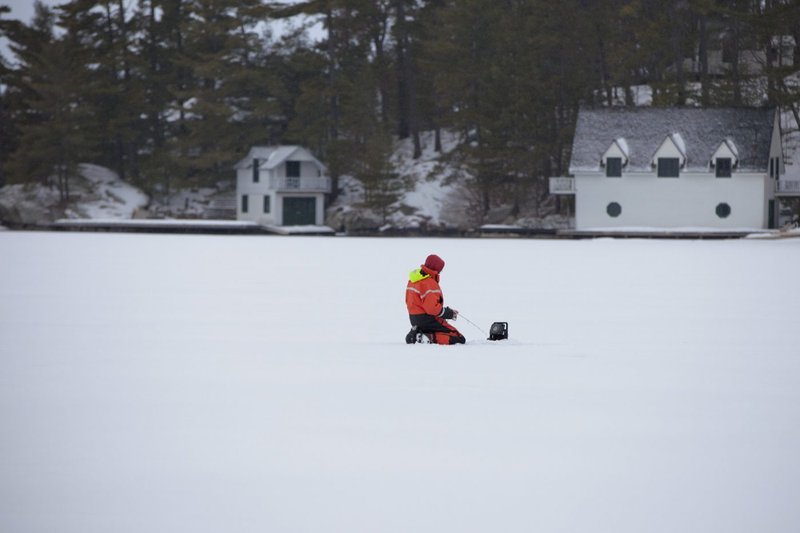
Understanding the weather and ice conditions is crucial when it comes to ice fishing. Here are some essential things to keep in mind:
| Weather Condition | Description |
|---|---|
| Wind Chill | Wind chill can quickly drop the temperature, making it more difficult to stay warm and dry. |
| Frostbite | Frostbite can set in quickly, especially on exposed skin. Make sure to dress warmly and take regular breaks to warm up. |
| Ice Types | Familiarize yourself with the different types of ice, including clear ice, white ice, and black ice. |
| Warning Signs | Be aware of warning signs of thin ice, including cracks, ridges, and pressure ridges. |
The Ice Fishing Conundrum: Finding the Best Fishing Spots
Finding the best fishing spots can be a challenge, especially for beginners. Here are some expert insights on ice fishing in Canada:
icefishinggame.ca offers a wealth of information on ice fishing in Canada, including tips on finding the best fishing spots, understanding fish behavior, and navigating complex regulations.
Decoding the Patterns: Understanding Fish Behavior
To catch fish, you need to understand their behavior. Here are some essential things to keep in mind:
| Fish Behavior | Description |
|---|---|
| Best Fishing Times | Fish are more active during certain times of the day, such as dawn and dusk. |
| Water Temperature | Fish are more active in water temperatures between 32°F and 40°F. |
| Depth | Fish are often found at specific depths, depending on the species and water conditions. |
Navigating the Complexities: Ice Fishing Regulations
Ice fishing regulations can be complex and confusing, especially for newcomers. Here are some essential things to keep in mind:
| Regulation | Description |
|---|---|
| Permits and Licenses | Make sure to obtain the necessary permits and licenses before heading out on the ice. |
| Bag Limits | Be aware of the bag limits for the species you’re targeting. |
| Fishing Hours | Familiarize yourself with the fishing hours, including the start and end times. |
The Thrill and the Peril: Ice Fishing Safety in Canada
Ice fishing safety is a top priority, especially in Canada’s harsh winter conditions. Here are some essential safety tips and best practices:
Avoiding the Unexpected: Emergency Preparedness
When it comes to ice fishing safety, it’s essential to be prepared for the unexpected. Here are some essential items to consider:
| Emergency Kit | Description |
|---|---|
| First Aid Kit | A first aid kit should include essentials like bandages, antiseptic wipes, and pain relievers. |
| Emergency Bivvy | An emergency bivvy can provide warmth and shelter in case of an emergency. |
| Communication Device | Consider carrying a communication device, such as a cell phone or satellite phone. |
Staying Safe on the Ice: Best Practices and Tips
Here are some essential best practices and tips for staying safe on the ice:
| Safety Tip | Description |
|---|---|
| Check Ice Thickness | Make sure to check the ice thickness before heading out on the ice. |
| Stay Visible | Wear bright clothing and use reflective gear to stay visible on the ice. |
| Stay Alert | Stay alert and aware of your surroundings, including other anglers and potential hazards. |

Sobre o autor